Food and Beverage Industry Sustainability Pilot
December 5, 2025
Pollution Prevention and Food Waste Reduction Support for Western Michigan
Michigan has set an ambitious goal: reduce food loss and waste by 50% by 2030, aligning with the MI Healthy Climate Plan and the Michigan Food System Waste Reduction Roadmap Initiative. Each year, approximately one billion dollars of economic value is lost across Michigan’s farms and food manufacturers due to unharvested crops, production inefficiencies, product shrinkage, and supply chain challenges. These losses represent not only missed profit opportunities, but also preventable environmental impacts.
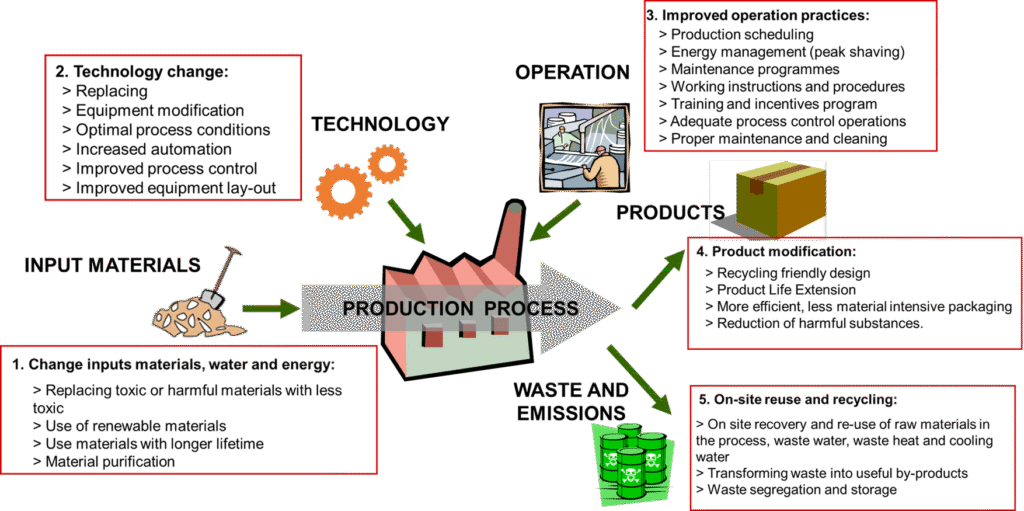
Food processors and manufacturers in the state have significant untapped potential to improve operational efficiency, reduce pollution, and unlock new revenue streams. By optimizing production practices, enhancing packaging design, advancing byproduct utilization, and supporting innovative business models, manufacturers can reduce waste at the source while strengthening local and regional food systems.
To support this opportunity, Central Michigan University (CMU) and the Michigan Sustainable Business Forum (MiSBF) have partnered on a U.S. EPA–funded technical assistance program focused on pollution prevention (P2) for food and beverage manufacturers, with special emphasis on underserved communities in West Michigan. The initiative provides practical tools, hands-on guidance, and community capacity-building to help businesses reduce waste, improve resource efficiency, and strengthen environmental performance.
Project Objectives
The program includes four core components:
Onsite Technical Assistance
CMU and MiSBF experts will visit selected facilities to provide tailored pollution prevention assessments, food waste audits, and training on best practices that reduce waste and optimize resources.
Community and Business Roundtables
Workshops and educational sessions will build awareness and skills related to food waste reduction, with targeted outreach in impacted communities aligned with the Forum’s Equity and Sustainability goals.
Statewide Technical Training
A specialized workshop will introduce food businesses to emerging technologies and infrastructure solutions that can reduce food loss and waste at the source.
Online Knowledge Platform
The project team will develop a digital resource hub to share tools, case studies, and training materials with businesses, community organizations, and other stakeholders.
Opportunities for Participation
The initiative is currently seeking food and beverage processors and manufacturers located in Michigan to receive complimentary onsite technical assistance. Community organizations interested in supporting regional food waste reduction efforts are also encouraged to participate.
Why Pollution Prevention Matters
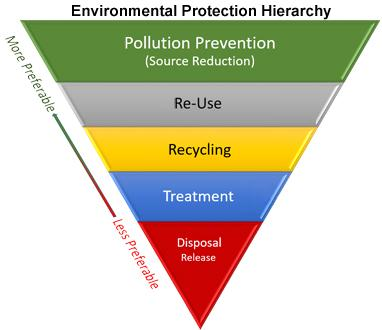
Pollution prevention, defined by the U.S. EPA as reducing or eliminating pollutants and waste at the source, offers numerous benefits to businesses and communities. Effective P2 practices can:
- Reduce environmental liability
- Lower operating costs related to raw materials, energy, and waste management
- Improve employee engagement and workplace culture
- Strengthen a company’s reputation within the community
- Protect public health and natural resources
Learn More
For additional information about the Food and Beverage Industry Sustainability Pilot, contact MiSBF Executive Director Daniel Schoonmaker at [email protected] or Sustainability Associate J Allen Heise at [email protected].