Forum Network Highlights Impacts of Federal Funding for Climate Support and Policy Rollbacks
October 23, 2025
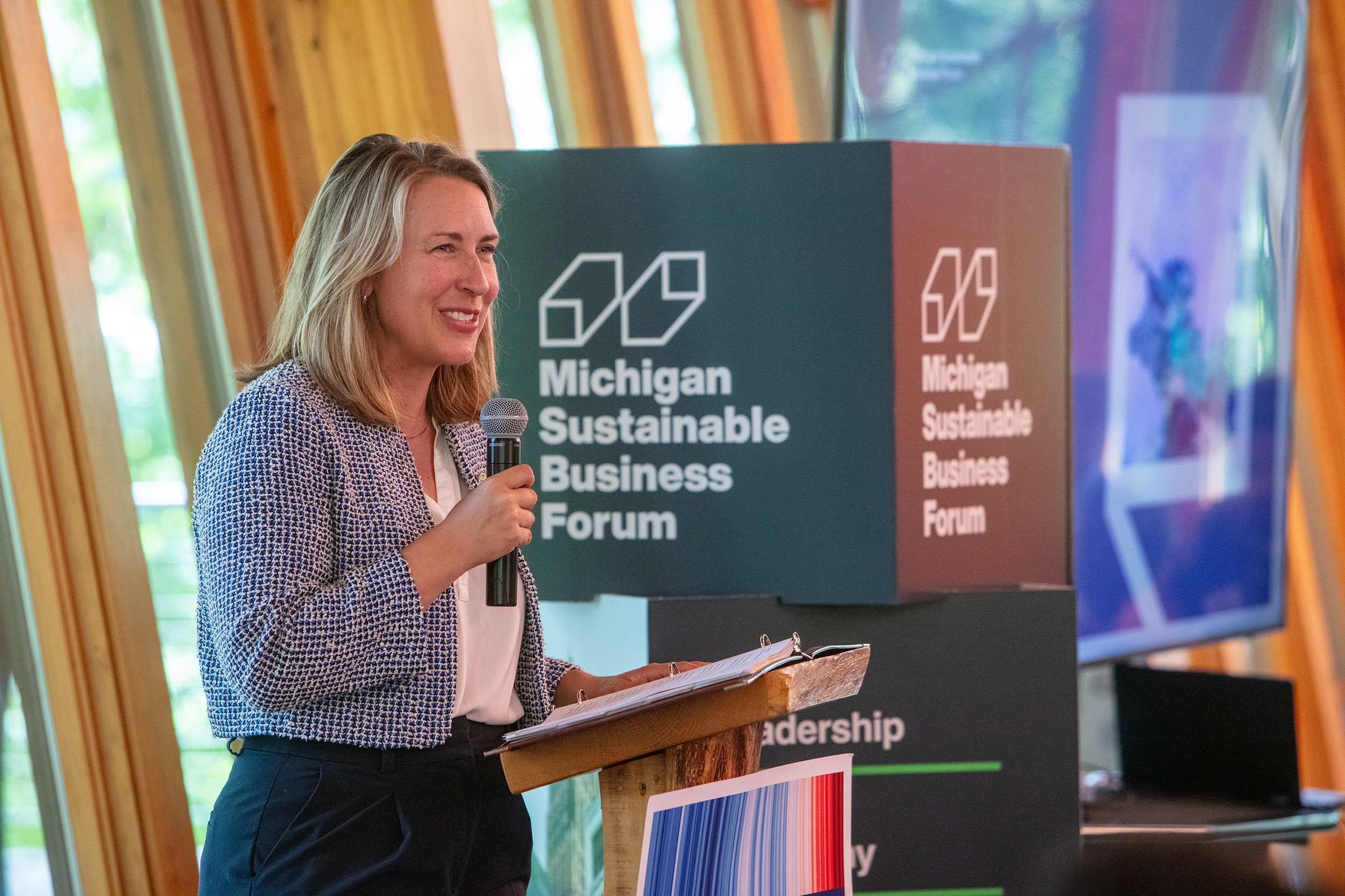
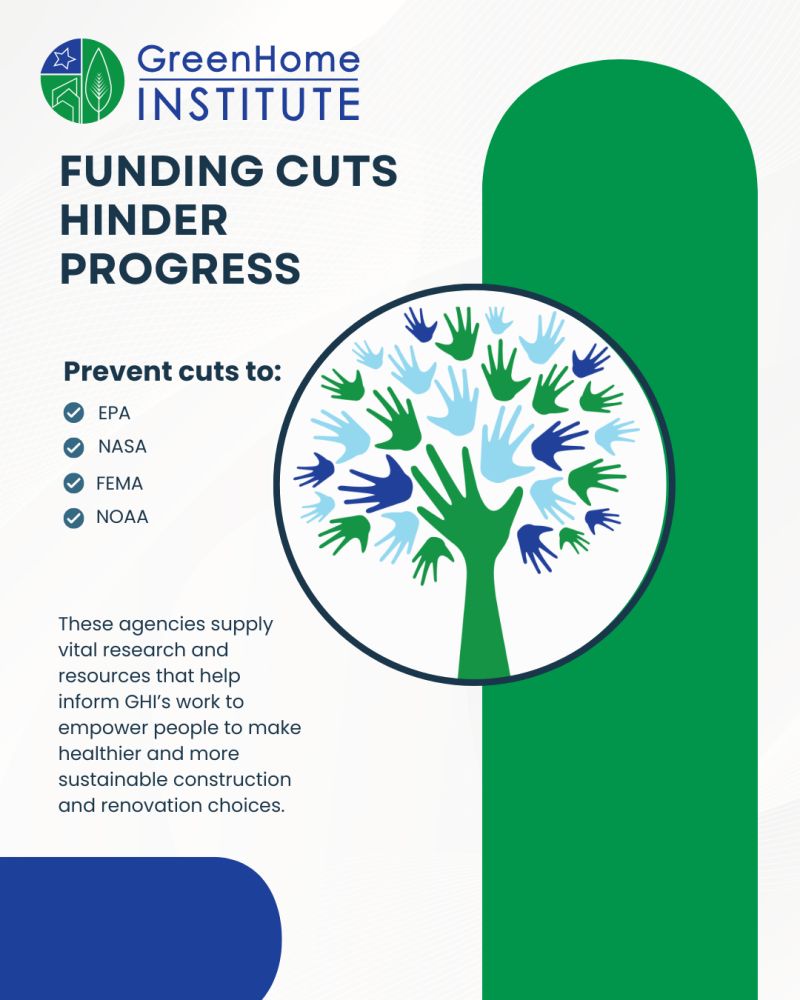
With a looming budget crisis likely to reset the conversation around federal spending and regulations, and the constant flood of federal actions, the Forum was concerned that the potentially devastating impact of regulatory rollbacks and funding disruptions to climate action could be overlooked and forgotten. To address this, the Forum asked its partners and members to participate in a series of visibility activities in September and early October.
We are grateful to Alliance of Nurses for Healthy Environments, Aztech, Beth Gibbons, Brewery Vivant, Plaster Creek Stewards, GreenHome Institute, Inovateus, Michigan Green Building Collaborative and SEEDS Ecology and Education Centers for their support in sharing our messages on social media.
Michigan communities and businesses received hundreds of millions of dollars in federal support for climate and clean energy investments from the Inflation Reduction Act and Infrastructure Investment and Jobs Act. It had been one of the most successful states in the nation at leveraging IRA funds for local economic development and sustainability projects.
Detroit, Grand Rapids, Kalamazoo, Benton Harbor, Holland, Bridgman, Niles, Constantine, Gobles, Hartford, and dozens of other communities received grants or program support, with the largest investments set to roll out over the next few years.
A substantial number of grants and programs have been rolled back, while the federal government has dramatically reduced regulations intended to promote adoption of climate solutions.

Approximately 60 of our partners and members also provided written comments on the U.S. EPA recently announced proposal to rescind the 2009 Endangerment Finding, the decades-old scientific consensus that provides the basis for the agency to regulate greenhouse gas emissions. As part of this plan, the agency would roll back greenhouse gas vehicle standards that were put in place during the Obama administration.
Currently, the EPA is able to regulate greenhouse gas emissions, with the understanding that doing so is in the public interest and consistent with statute. This means that it can set standards for vehicle emissions for power plants based solely on carbon emissions and other greenhouse gases that aren’t technically hazardous in the way that mercury or ammonia is. The new EPA proposal would limit it to regulating tailpipe and smokestack emissions that are more conspicuously in the scope of the Clean Air Act.
Most every business constituency in Michigan has voiced approval for the status quo approach at some point in the past two to four years. The automotive industry supported the vehicle emission standards in 2022. However, some Michigan companies, especially manufacturers of diesel engines, have recently changed their positions due to unfavorable headwinds for electric vehicle adoption.
Our position is that there has been little to no debate about the dangers of climate change among the business community for nearly a quarter century, and that it has become the predominant language of corporate sustainability, regardless of the political leanings of host communities and management. It has been the basis for thousands, if not millions, of hours of work from professionals in Michigan. It is appropriate for federal policy to align with this.