How Meijer is Working to Reduce Food Loss and Waste
October 1, 2025
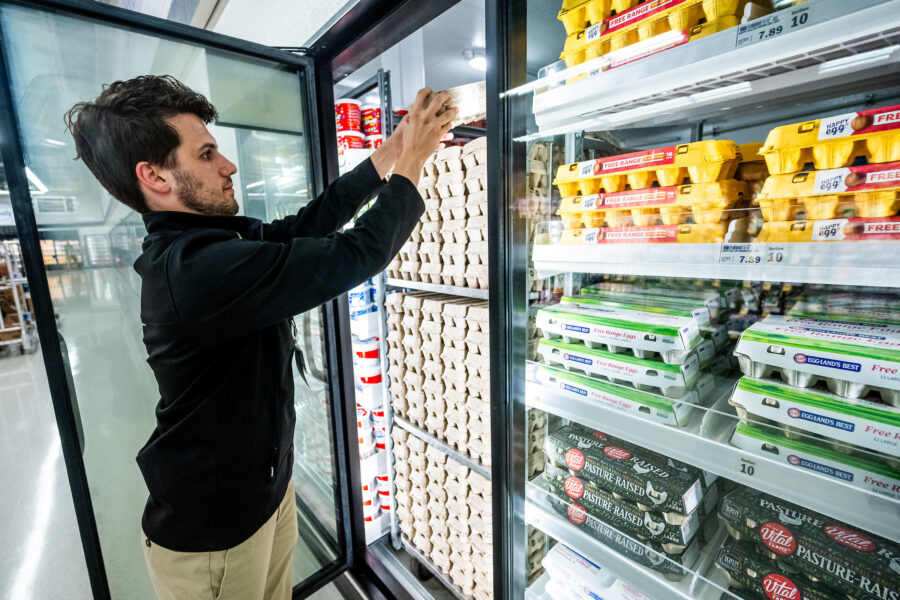
A study conducted by the Michigan Sustainable Business Forum found that food waste accounted for 19.2 percent of the material sampled in 10 Michigan landfills. Wasted food is the single largest category of material placed in municipal landfills. Plus, the water, energy, and labor required to produce food that ends up discarded could be used more productively elsewhere.
Meijer, the Michigan-based retailer, has committed to diverting 50 percent of its stores’ food waste from landfills by 2030. The company is taking a multi-layered approach to pursue this objective, considering the full lifecycle of the food sold in its supercenters.
Flashfood Turns Surplus into Savings
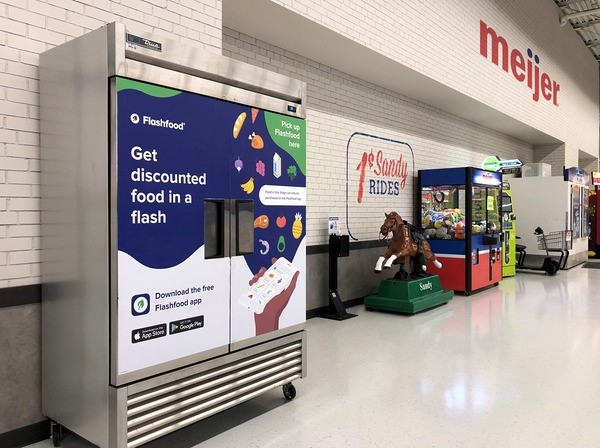
One food-saving strategy Meijer has employed is Flashfood, an app that enables its stores to offer customers surplus food nearing its best-by date at a significant discount.
Flashfood allows shoppers to select a Meijer store, browse the available products at that location, and pay for them directly on the app at up to 50 percent off. The store then places the Flashfood purchase in a refrigerator or on a storage rack until the customer arrives to complete the transaction.
After a successful pilot in 2019, the retailer expanded the program to Meijer stores in Michigan, Illinois, Indiana, Kentucky, Ohio, and Wisconsin.
“The feedback from customers is overwhelmingly positive,” says Erik Petrovskis, director of Environmental Compliance and Sustainability at Meijer. “They appreciate the savings, and we are happy to see a big reduction in our food waste numbers.”
By October 2023, Meijer’s Flashfood program had diverted over 10 million pounds of food from landfills.
Charitable Donations, Food Byproduct Diversion Further Reduce Waste
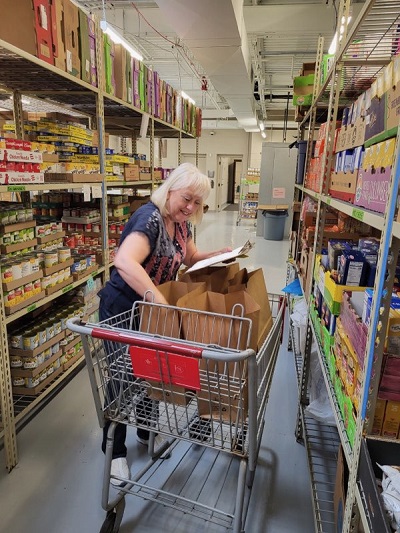
Other food waste reduction initiatives include a food rescue program that donates to food banks across its network of stores.
In May 2025, the company’s Simply Give hunger relief program reached a new milestone: $100 million donated to help alleviate hunger in the Midwest since starting the program in 2008, providing 900 million meals delivered in partnership with food pantries across six states. Meijer also partners with Feeding America to donate surplus food from stores to their network of food banks.
Food that cannot be donated or discounted is collected at stores and converted into compost or animal feed by a third-party vendor.
Meijer also looks for more productive uses of food waste generated during the manufacturing process. For example, the organic waste from Meijer dairy facilities in Tipp City, Ohio, and Holland, Mich. is turned into animal feed, while food byproducts from manufacturing facilities in Middlebury, Ind., and Lansing, Mich. are sent for anaerobic digestion or turned into compost.