La campaña de doble donación del foro promueve el reciclaje y la reducción de residuos alimentarios.
July 2, 2026
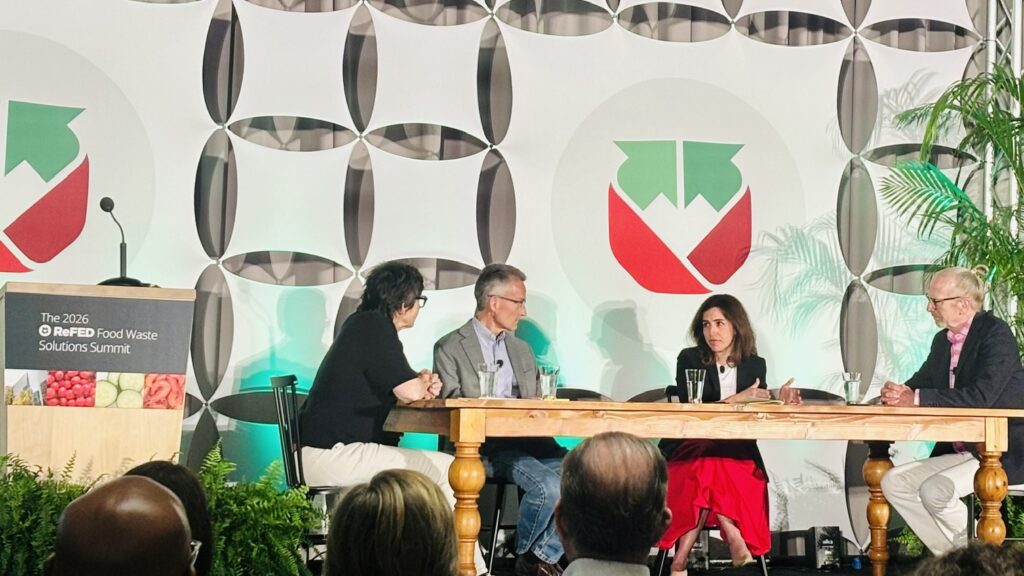
El Foro de Negocios Sostenibles de Michigan celebró el mes pasado, durante la Cumbre ReFED 2026 sobre Soluciones para el Desperdicio de Alimentos, que tuvo lugar en Charlotte, Carolina del Norte. La Cumbre reunió a líderes de todo el sistema alimentario para analizar en profundidad qué se necesita para reducir el desperdicio de alimentos a gran escala mediante una mejor medición, políticas más inteligentes, una recuperación de alimentos más eficaz, estrategias institucionales para los servicios de alimentación, conversaciones sobre envases, innovación y alianzas prácticas.
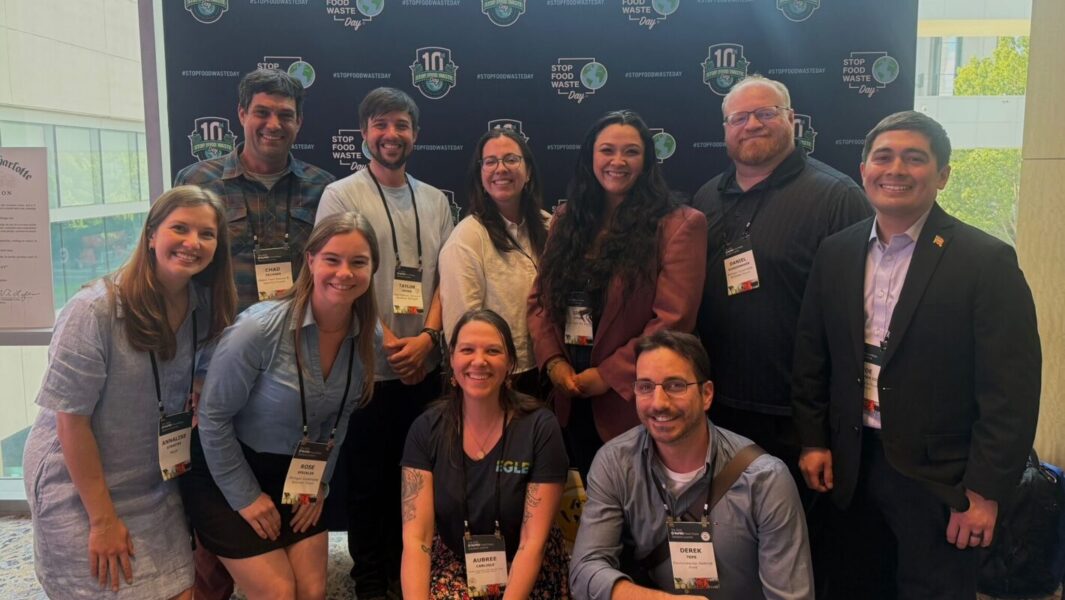
El director ejecutivo del foro, Daniel Schoonmaker, y la directora de educación y participación, Rose Spickler, estuvieron acompañados por representantes de los miembros. ciclo organico, Ciudad de Ann Arbor, Meijer y el Departamento de Medio Ambiente, Grandes Lagos y Energía de Michigan, junto con la campaña para duplicar las donaciones de alimentos liderada por Metro Food Rescue, Make Food Not Waste, Community Action House y Goodwill Northern Michigan.
A menudo se le atribuye el haber impulsado el movimiento nacional contra el desperdicio de alimentos. Esta cumbre conmemoraba el décimo aniversario de la "Hoja de ruta para reducir el desperdicio de alimentos en EE. UU." de ReFED, que estableció una visión ambiciosa para transformar la forma en que Estados Unidos produce, gestiona y concibe el desperdicio de alimentos. Ese mismo año, el Foro lanzó su primer programa dedicado a la lucha contra el desperdicio de alimentos: el Consejo de Recuperación de Alimentos del Oeste de Michigan.
“La convicción fundamental de este grupo de ayudar a que los alimentos se aprovechen al máximo genera un impacto mayor que el de los propios alimentos”, señaló la presidenta de ReFED, Dana Gunders, en su discurso de apertura al comienzo de la primera sesión principal de la Cumbre de Soluciones para el Desperdicio Alimentario de ReFED 2026.
Desde entonces, el sector ha seguido creciendo, las soluciones se han ampliado y se ha generado un impulso que resulta tanto cuantificable como inspirador.
Para MiSBF, fue especialmente valioso colaborar con socios regionales y nacionales estrechamente alineados con el trabajo que impulsamos en Michigan a través de la Campaña de Doble Donación de Alimentos, las iniciativas para reducir el desperdicio de alimentos en los campus universitarios, el desarrollo de productos sostenibles para el servicio de alimentos y la colaboración en el sistema alimentario en general. (Si le interesa saber más sobre cualquiera de estas iniciativas, ¡contáctenos!)
Algunas reflexiones que nos llevamos a casa:
- Las soluciones para el desperdicio de alimentos son más efectivas cuando son prácticas, operativas y están diseñadas en función de las limitaciones reales a las que se enfrentan las empresas, las instituciones y las organizaciones de recuperación de alimentos.
- La medición es importante, pero solo cuando ayuda a las organizaciones a tomar mejores decisiones, reducir el desperdicio y mejorar los resultados.
- Las políticas son una herramienta poderosa, pero el cambio duradero depende de la creación de coaliciones, el momento oportuno, la perseverancia y las relaciones.
- La recuperación de alimentos sigue evolucionando, y Michigan tiene una gran oportunidad para fortalecer la infraestructura, las alianzas y la confianza de los donantes necesarias para hacer llegar a la población un mayor número de alimentos excedentes seguros y nutritivos.
La participación del Foro en la cumbre fue posible gracias al Fondo de Dotación para la Salud de Michigan, a través de su programa de becas "Asistir/Presentar". La Cumbre ReFED 2027 se celebrará en Chicago.
Organicycle seleccionada para un prestigioso programa de gestión de residuos alimentarios.
ReFED anunció la nueva promoción de beneficiarios seleccionados a través de su Fondo de Subvenciones Catalíticas, una iniciativa pionera diseñada para proporcionar capital flexible y con tolerancia al riesgo a soluciones para la gestión de residuos alimentarios con un gran potencial de impacto climático. Organicycle, empresa de servicios y plantas de compostaje con sede en Grand Rapids, fue anunciada como una de las nueve beneficiarias del programa.
La última cohorte, "Minimizar el metano mediante soluciones para el desperdicio de alimentos", se centró en apoyar soluciones que aborden las emisiones de metano en dos áreas críticas: el avance de la infraestructura de reciclaje de alimentos para evitar que los residuos orgánicos terminen en vertederos y la reducción de las emisiones de metano en las cadenas de suministro de carne de res y productos lácteos mediante soluciones innovadoras de alimentación animal y valorización de residuos. El metano es responsable de aproximadamente un tercio del calentamiento global actual, y el desperdicio de alimentos es uno de sus principales impulsores, a menudo ignorado.
Organicycle es pionera en un modelo de colaboración con Waste Management para ubicar las operaciones de compostaje en los vertederos existentes, lo que reduce las dificultades para obtener permisos y acelera el desarrollo de infraestructura en regiones como Michigan y el norte de Indiana.
El Foro apoyó la solicitud.
Soluciones locales destacadas en la conferencia de la Coalición de Reciclaje de Michigan en Kalamazoo
En la 44.ª conferencia anual de la Coalición de Reciclaje de Michigan en Kalamazoo, el Foro fue reconocido por la vicepresidenta sénior de Meijer, Tina Dekker, por reconocer a Meijer como una de las Empresas Sostenibles del Año 2025. El liderazgo de Meijer en sostenibilidad se ha descrito en cuatro estudios de caso del Foro, entre ellos: Cómo trabaja Meijer para reducir la pérdida y el desperdicio de alimentos, Cómo Meijer superó su objetivo de reducción de emisiones de carbono un año antes de lo previsto, Cómo lograr la circularidad a gran escala: la estrategia de reciclaje de Meijer, y Cómo Meijer lidera la adopción de infraestructura ecológica para aguas pluvialesTodos estos esfuerzos, y muchos más, fueron destacados en el discurso de apertura de Dekker.
Las sesiones paralelas de MRC destacaron los éxitos de Shiawassee Recycles, una nueva organización que involucra a la Cámara de Comercio Regional de Shiawassee, Resourceful Recycling, Great Lakes Family of Companies y otros socios para desarrollar recursos de reciclaje en el área de Great Lakes Bay. En una sesión de panel moderada por Brad AustinSegún el director de desarrollo comercial de Great Lakes Family of Companies, los panelistas describieron los enfoques únicos y multifacéticos para la gestión sostenible de materiales que se están implementando en la región.
“Este es un grupo que consigue resultados”, dijo Austin sobre Shiawassee Recycles. “Están orientados a los resultados”.