Métricas de sostenibilidad para la reducción del consumo de papel
August 21, 2026
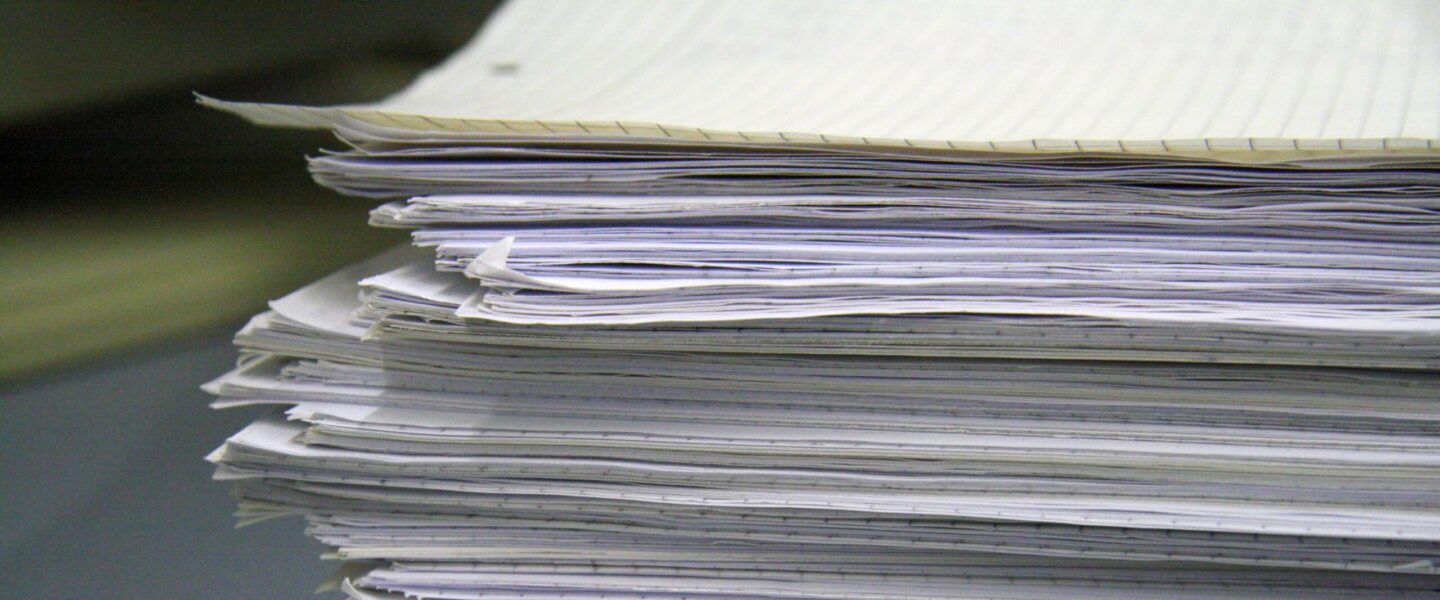
Cálculo del coste de carbono del papel de oficina
El papel de oficina es uno de los materiales más utilizados en muchas empresas. A pesar del uso generalizado de la tecnología digital, todavía se utiliza con frecuencia en máquinas de oficina, para correspondencia, toma de notas y otras aplicaciones. Los esfuerzos por reducir, reutilizar o reciclar el papel de oficina siguen siendo importantes para los programas de sostenibilidad.
A continuación se presentan dos herramientas fiables que pueden utilizarse para cuantificar el impacto de las medidas de prevención de residuos:
Modelo de Reducción de Residuos (WARM)
El Modelo de Reducción de Residuos (WARM, por sus siglas en inglés) es una herramienta creada por la Agencia de Protección Ambiental de los Estados Unidos (EPA, por sus siglas en inglés) que permite calcular las emisiones totales de gases de efecto invernadero (GEI), el ahorro energético y el impacto de las prácticas de gestión de residuos, modelando las emisiones, las unidades de energía y los factores económicos. Proporciona las emisiones de GEI en toneladas métricas de CO2 y el consumo energético en MMBTU. Esta herramienta es eficiente, se basa en datos y resulta útil para generar informes sobre las externalidades asociadas a diversos productos. (Actualmente, la EPA no la actualiza debido a la postura de la administración Trump sobre las emisiones de GEI).
La Calculadora de Papel, creada por la Red Ambiental del Papel, se centra en el uso del papel y proporciona métricas adicionales, incluyendo un campo para introducir el porcentaje de contenido reciclado. Sus informes describen los impactos al final de la vida útil del papel, como el efecto del aumento del dióxido de carbono atmosférico en la acidificación de los océanos y las especies amenazadas.
Cómo determinar el impacto de usar menos papel de oficina (WARM)
Si se utilizan 40 cajas de papel de 20 libras (1 tonelada):
Vertedero de 40 cajas = 1,13 MTCO2E = 0,47 millones de BTU
Reducción de la fuente en 40 casos = (7,95) MTCO2E = (36,60) millones de BTU
Si se utilizan 4.000 cajas de papel de 20 libras (100 toneladas):
Vertedero de 4000 cajas = 113,00 MTCO2E = 47,0 millones de BTU
Reducción de la fuente en 4000 casos = (795,00) MTCO2E = (3.660,00) millones de BTU
Cómo calcular el impacto de comprar papel de oficina con un mayor porcentaje de contenido reciclado (Calculadora de papel)
Si se utilizan 40 cajas de papel de 20 libras (1 tonelada):
| 0% Reciclado | 80% Reciclado | |
| Uso de la madera | 3,99 toneladas | 0,798 toneladas |
| Energía total | 25,5 millones de BTU | 17,4 millones de BTU |
| GEI | 14.000 libras de CO2 | 7.590 libras de CO2 |
| Uso del agua | 21.400 galones | 19.900 galones |
| Residuos sólidos | 1.110 libras | 1.050 libras |
Cómo determinar el impacto del reciclaje de papel de oficina
Si se utilizan 40 cajas de papel de 20 libras (1 tonelada):
Vertedero de 40 cajas = 1,13 MTCO2E = 0,47 millones de BTU
Reciclaje de 40 cajas = (2,86) MTCO2E = (10,08) millones de BTU
Si se utilizan 4.000 cajas de papel de 20 libras (100 toneladas):
Vertedero de 4000 cajas = 100,13 MTCO2E = 47,0 millones de BTU
Reciclaje de 4000 cajas = (286,00) MTCO2E = (1.008,00) millones de BTU
Acerca de Soluciones de Economía Circular
Las prácticas de economía circular se centran en la eliminación de residuos, la conservación de materiales y la regeneración de los sistemas naturales. MiSBF apoya estas prácticas porque reducen la dependencia de los vertederos, disminuyen el impacto ambiental y fortalecen la resiliencia empresarial, a la vez que generan valor para las comunidades.
Obtenga más información sobre las soluciones de economía circular aquí